
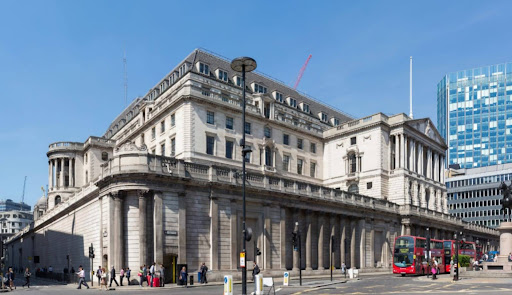
The Bank of England’s best hope for keeping interest rates steady lies not in domestic economic data but in a resolution of the conflict in the Middle East, as the committee voted unanimously to hold at 3.75% on Thursday while acknowledging that the Iran war’s energy price impact could force rate hikes. Governor Andrew Bailey explicitly stated that the most effective solution to the UK’s inflation threat was the restoration of energy supply lines disrupted by the US-Israel conflict. For now, the Bank is holding steady and watching for any signs of de-escalation.
The pin-the-hope-on-diplomacy element of the Bank’s communication is unusual for a central bank focused on domestic monetary tools. It reflects the reality that the inflation threat facing the UK is primarily geopolitical in origin, driven by a war that has disrupted global energy markets rather than by domestic demand-side pressures. The Bank can respond to the consequences but cannot address the cause.
Governor Bailey said the Bank was monitoring both the military and economic dimensions of the conflict. He pointed to higher petrol prices as evidence that the shock was already real and warned that household energy bills could follow if supply disruption continues. Within the Bank’s toolkit, interest rate policy remained available if the inflation situation demanded action.
Financial markets are not waiting for a diplomatic resolution. UK gilt yields rose, the FTSE 100 fell, and the pound strengthened against the dollar as traders priced in rate hikes before year end. The contrast between the Bank’s hope for a diplomatic solution and the market’s assumption of rate hikes captures the uncertain environment in which UK monetary policy is currently operating.
If the conflict in the Middle East de-escalates and energy prices stabilise, the Bank could resume its anticipated path toward rate cuts relatively quickly. If the conflict intensifies or drags on, the energy price shock could become severe enough to require significant monetary tightening. The resolution of the conflict is therefore the single most important variable in the UK’s monetary policy outlook for 2025.
