
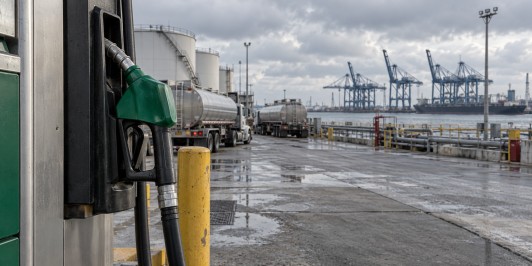
The potential restriction or ban on U.S. diesel exports could significantly impact domestic energy costs, which have already seen record highs. As diesel prices soar to an average of $6.53 per gallon in the U.S., President Donald Trump has suggested keeping more diesel fuel within the country to mitigate the financial strain on American consumers.
Amid ongoing disruptions in global fuel supplies due to conflicts in Iran and Ukraine, the U.S. administration is contemplating measures to stabilize the domestic market. Treasury Secretary Scott Bessent indicated that the government is considering the feasibility of a full or partial ban on diesel exports, assessing the nation’s refining capacity to ensure such a move’s practicality.
President Trump, speaking before a meeting with Ukrainian President Volodymyr Zelenskyy, emphasized the importance of maintaining sufficient diesel supplies domestically, especially as geopolitical tensions continue to affect global fuel availability. The damage to Russian oil refineries from Ukrainian strikes further complicates the situation, with Trump warning that such incidents could drive diesel prices even higher.
However, the American Fuel and Petrochemical Manufacturers association cautioned that restricting exports could have unintended repercussions. They argue that U.S. refiners might cut production if exports are limited, potentially leading to reduced supplies of both diesel and gasoline, which could counteract efforts to relieve domestic price pressures.
The administration is still evaluating the broader impact of these potential export restrictions, aiming to balance domestic supply needs with the realities of international market dynamics as energy costs remain a pressing concern for the U.S. economy.
