
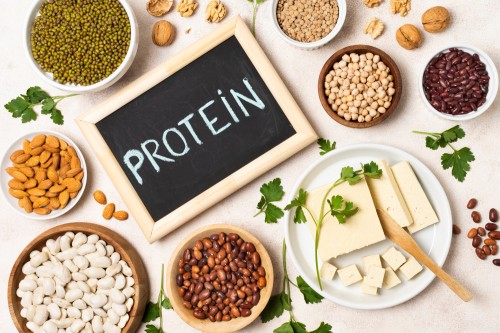
Protein plays a crucial role in the body’s overall health, contributing to muscle building, tissue repair, immune support, and the maintenance of healthy skin, hair, and nails. Despite its importance, some individuals may unknowingly experience a mild protein deficiency, particularly those who frequently skip meals, consume a diet high in refined carbohydrates, or adhere to restrictive eating plans. Recognizing early signs of deficiency can prompt dietary adjustments before significant health impacts arise.
One notable indicator of insufficient protein intake is persistent hunger and constant cravings, suggesting that meals may lack adequate protein. Protein is known for promoting satiety by slowing digestion and influencing hormones that regulate appetite. Another sign is a gradual decline in strength, as protein is vital for preserving muscle mass, and inadequate levels can lead to challenges in performing everyday tasks due to slowed muscle repair.
Chronic fatigue despite sufficient rest may also be linked to low protein consumption, as amino acids from protein are essential for producing enzymes and hormones involved in energy generation. Additionally, insufficient protein affects the production of keratin and collagen, potentially leading to increased hair shedding, brittle nails, and dry or lackluster skin. Slow recovery from exercise or illness is another symptom, highlighting protein’s role in tissue repair and overall recovery.
In some instances, low protein levels may cause mild fluid retention, resulting in swelling, particularly in the feet, ankles, or lower legs. Persistent swelling warrants attention from a healthcare professional. Furthermore, frequent infections could indicate a compromised immune system due to reduced protein intake, as protein is crucial for antibody production.
To address protein deficiency, incorporating quality protein sources into each meal is effective. Excellent options include eggs, dairy products like milk, yogurt, and paneer, fish, lean poultry, soy products like tofu, lentils, beans, chickpeas, nuts, and seeds. Pairing these with fiber-rich vegetables and healthy fats can enhance satiety and nutritional balance. For those with higher protein needs, such as athletes, older adults, busy professionals, or individuals recovering from illness, protein supplements like whey or plant-based blends can be beneficial under appropriate guidance. By making small, consistent improvements to daily eating habits, individuals can support energy levels, muscle health, recovery, and overall well-being.
