
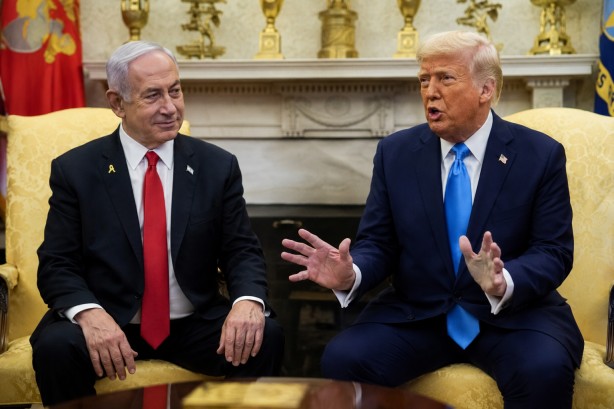
In a recent statement, US President Donald Trump assured that Israeli Prime Minister Benjamin Netanyahu would not face arrest during any forthcoming visit to the United States. This declaration comes amidst calls for action following an arrest warrant issued by the International Criminal Court (ICC). Trump’s comments were seemingly in response to New York City Mayor Zohran Mamdani, who has expressed interest in exploring legal avenues regarding Netanyahu’s anticipated trip to New York for the UN General Assembly in September. Mamdani has been vocal about his belief that Netanyahu should be held accountable for alleged war crimes in Gaza.
Trump took to social media to assert that Netanyahu “will not be arrested in any way, shape, or form” while on US soil. He further expressed criticism towards Iran and defended Netanyahu’s contributions to regional security. The legal community has since debated the potential authority of New York City officials to detain a foreign head of government. Notably, the United States is not a signatory to the ICC, and federal law restricts local governments from collaborating with the court’s proceedings.
In 2024, the ICC issued arrest warrants for Netanyahu and former Israeli defense minister Yoav Gallant, citing charges of alleged war crimes and crimes against humanity. Both Israel and the United States have dismissed these charges, standing firmly against the accusations. Additionally, the Trump administration has consistently opposed the ICC, having imposed sanctions on the court earlier this year, arguing that its actions pose a threat to US sovereignty.
Netanyahu’s office has responded to Mayor Mamdani’s remarks by criticizing his stance and suggesting that he should prioritize addressing issues within New York City rather than pursuing legal actions against the Israeli prime minister. The ongoing discourse highlights the complex interplay between international legal actions and diplomatic relations, particularly involving leaders accused on the global stage.
