
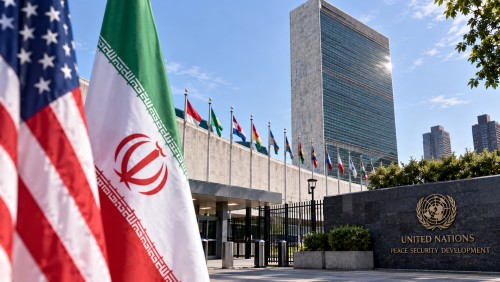
In a move that underscores its commitment to international diplomatic obligations, the United States will permit senior Iranian officials to participate in the United Nations General Assembly in New York next week. Despite the ongoing tensions between Washington and Tehran, the decision reflects the U.S.’s adherence to the 1947 UN headquarters agreement, which generally grants foreign diplomats access to UN facilities.
The Iranian delegation, expected to include President Masoud Pezeshkian and Foreign Minister Abbas Araqchi, will be granted visas to attend the assembly. However, they will remain under stringent U.S. travel restrictions, limiting their movement to specified locations such as the UN headquarters, Iran’s mission to the UN, and the ambassador’s residence. Additionally, the delegation will face restrictions on purchasing certain goods while in the U.S.
This development comes amid sporadic diplomatic engagements between the U.S. and Iran aimed at resolving the conflict that erupted on February 28. The hostilities began after U.S. and Israeli military strikes on Iranian targets, prompting retaliatory attacks from Tehran against Israel and Gulf states housing U.S. military bases. The allowance for Iranian officials to attend the UN meeting could signal a willingness to maintain open channels for dialogue.
Meanwhile, in a contrasting decision, the U.S. has opted to deny entry to Palestinian officials, including President Mahmoud Abbas, for the same UN General Assembly. This move highlights the nuanced and often contentious nature of U.S. foreign policy and its implications for international diplomacy.
The United States continues to reserve the right to deny visas on grounds related to security, terrorism, or foreign policy, despite its obligations under the UN headquarters agreement. As the host nation, Washington’s decisions on diplomatic access often reflect broader geopolitical strategies and relationships.
