
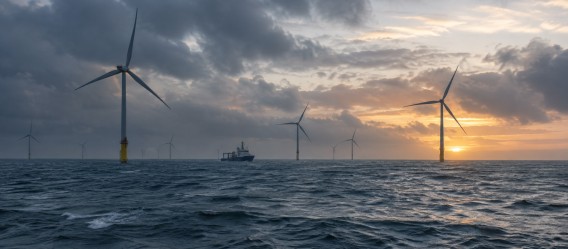
The cancellation of offshore wind projects by the Trump administration could significantly impact clean-energy development, potentially leading to increased electricity costs and complicating state efforts to meet rising energy demands. This development has led to lawsuits from California and New York, challenging the federal government’s plan to buy back leases for renewable energy projects.
California Attorney General Rob Bonta has taken legal action against the federal government’s decision to halt an offshore wind initiative by Invenergy, a Chicago-based company, off the California coast. This move is part of a broader federal strategy to repurchase leases for four offshore wind projects across the US East and West coasts.
New York’s Attorney General Letitia James is also spearheading a coalition of states in a lawsuit against agreements involving Invenergy and Bluepoint Wind. The deals in question involve compensating energy companies to cease offshore wind projects currently under development, a strategy the Trump administration defends as a shift towards what it sees as more reliable energy sources, such as fossil fuels.
James criticized these agreements as unlawful, expressing concerns that they could exacerbate challenges for states trying to satisfy increasing electricity demand. Similarly, Bonta emphasized California’s commitment to pursuing clean-energy initiatives despite federal policy changes. Both states argue that the administration’s actions threaten their renewable energy goals and could have long-term economic repercussions.
The legal actions underscore the growing tension between the Trump administration’s energy policies and state efforts to advance offshore wind development as part of the broader US energy transition. As these disputes unfold, the future of renewable energy projects in the United States remains uncertain, with potential impacts on both energy costs and environmental policy.
